
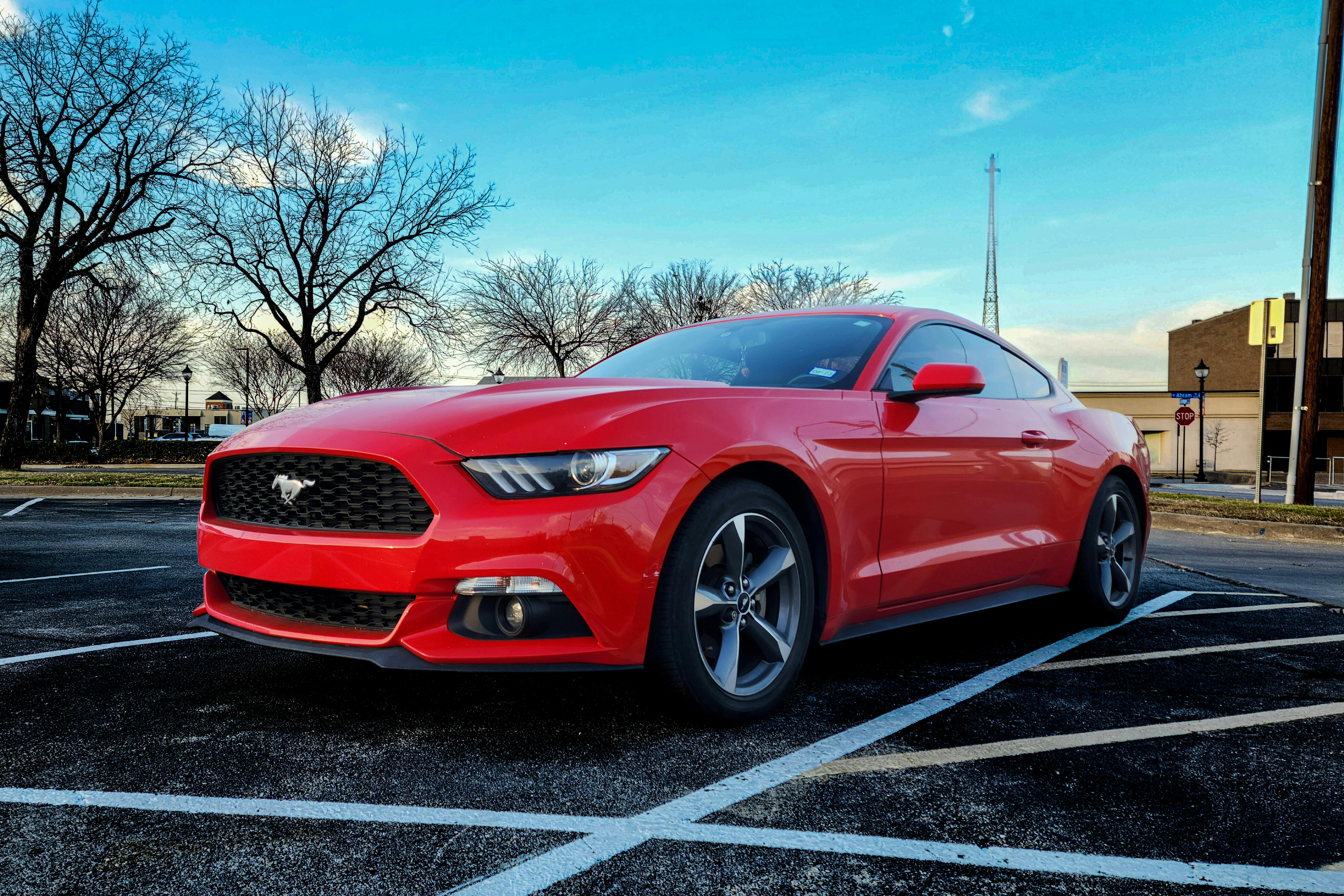
In 2026, the auto insurance landscape is undergoing a radical transformation, driven by Artificial Intelligence (AI) and advanced telematics. Discover how personalized car insurance, usage-based insurance (UBI), and smart driving programs are offering unprecedented opportunities to save money, optimize your premiums, and find the best auto insurance deals. Learn to compare products, understand dynamic pricing, and leverage InsurTech to significantly lower your car insurance costs this year.
Introduction to the Topic
Welcome to 2026, where the days of one-size-fits-all auto insurance policies are rapidly fading into the rearview mirror. For years, insurers relied on broad demographic data, credit scores, and basic driving records to assess risk and set premiums. While these factors still play a role, the advent of sophisticated Artificial Intelligence (AI) and widespread adoption of connected vehicle technology have ushered in a new era: hyper-personalized auto insurance. This isn't just about minor discounts; it's a fundamental paradigm shift that rewards good driving habits, offers dynamic pricing, and empowers consumers with unprecedented control over their insurance costs.
At lifeassuredcoverage.com, we’re dedicated to keeping you ahead of the curve. This year, the biggest trend isn't just having car insurance, but understanding how to leverage cutting-edge AI and smart driving data to secure the absolute best rates. Whether you're a meticulous driver, a low-mileage commuter, or an early adopter of electric vehicles (EVs), AI-driven insurance models are poised to offer significant savings, making 2026 the year to re-evaluate your policy and embrace the future of coverage.
Backgrounds & Facts
The journey towards AI-powered auto insurance began with simple telematics devices in the early 2010s, often plug-in dongles that tracked basic metrics like mileage and hard braking. Fast forward to 2026, and this technology has evolved dramatically. Modern vehicles come equipped with integrated telematics systems, feeding rich datasets directly to insurers (with your consent, of course). Beyond just mileage and speed, AI algorithms now analyze hundreds of data points, including:
- Driving Behavior: Acceleration, braking, cornering, time of day driven, road types.
- Environmental Factors: Weather conditions during driving, traffic density.
- Vehicle Maintenance: Sensor data indicating vehicle health and potential risks.
- Geospatial Data: Routes taken, parking locations, risk assessment of specific areas.
- Predictive Analytics: AI models can now anticipate future risk based on patterns, not just past events.
The proliferation of connected cars, with over 70% of new vehicles sold in 2025 featuring advanced telematics, means a treasure trove of data is available. This data allows insurers to move beyond generalized risk pools to individual risk profiles. For instance, a driver who consistently adheres to speed limits, avoids harsh maneuvers, and drives during low-risk hours can now be accurately identified and rewarded with significantly lower premiums, regardless of their age or zip code. Conversely, high-risk behaviors are also precisely identified, ensuring fairer pricing across the board.
According to a recent report by InsurTech Analytics, AI-driven usage-based insurance (UBI) policies are projected to account for nearly 40% of all auto insurance policies by the end of 2026, up from just 15% five years ago. This explosive growth underscores the industry's confidence in AI's ability to create more accurate risk assessments, reduce fraudulent claims through advanced pattern recognition, and ultimately, provide a more equitable and efficient insurance market for consumers.
Expert Opinion / Analysis
“The shift we’re witnessing isn’t merely incremental; it’s foundational,” explains Dr. Anya Sharma, lead InsurTech analyst at Global Insights Group. “AI is enabling insurers to understand risk at a granular level previously unimaginable. This means good drivers are no longer subsidizing risky ones. The future of auto insurance is about personalization, transparency, and a direct correlation between your driving habits and your premium.”
Dr. Sharma emphasizes that while data privacy concerns are valid, reputable insurers are implementing robust encryption and anonymization protocols, giving consumers control over their data sharing preferences. “The value proposition for sharing data is clear: significant savings. For many, that trade-off is increasingly worthwhile, especially as AI models become more sophisticated in identifying genuine safe driving behaviors versus mere compliance.”
Industry experts also highlight the positive societal impact. As more drivers opt into AI-powered UBI programs, there's a measurable incentive for safer driving, potentially leading to fewer accidents and lower overall claims costs. This creates a virtuous cycle where safer roads translate to even lower premiums for everyone. Furthermore, AI's ability to rapidly process claims, detect fraud with higher accuracy, and even offer proactive roadside assistance based on vehicle diagnostics is enhancing the entire customer experience.
However, challenges remain. Ensuring algorithmic fairness to prevent bias against certain demographics or driving conditions (e.g., urban vs. rural driving) is a continuous effort. Regulators are actively working with InsurTech companies to establish robust ethical AI frameworks. But the consensus is clear: AI is not just a tool; it's the new backbone of auto insurance, offering unparalleled opportunities for both insurers and consumers.
💰 Best Options in Comparison (VERY IMPORTANT)
Navigating the new AI-driven auto insurance landscape can feel complex, but understanding your options is key to unlocking significant savings. Here are the leading categories and what they offer in 2026:
-
1. Advanced Telematics Programs (Behavior-Based Savings)
These are the evolution of traditional UBI. Major insurers like Progressive (with an even smarter 'Snapshot 3.0'), State Farm ('Drive Safe & Save Plus'), and GEICO are leveraging advanced AI to analyze driving patterns through smartphone apps or integrated vehicle systems. They don't just track mileage; they assess acceleration, braking, cornering, phone usage while driving, and even the time of day you drive. Ideal for: Safe, consistent drivers who want direct rewards for their good habits. Potential savings: Up to 30-40% on premiums.
-
2. Pay-Per-Mile / Low-Mileage AI Policies
Companies like Metromile (now with enhanced AI for hyper-accurate mileage tracking and risk assessment) and Root (which started with behavior-based pricing and now offers more nuanced mileage options) are perfect for those who drive infrequently. Instead of a flat rate, your premium is largely based on the miles you actually drive, plus a low base rate. AI helps refine the per-mile cost by incorporating your specific driving behavior. Ideal for: Urban dwellers, remote workers, or households with multiple vehicles where one is driven minimally. Potential savings: Often 50% or more for very low-mileage drivers.
-
3. Integrated Smart Home/Vehicle Bundles
An emerging trend in 2026, insurers are starting to offer discounts when they can integrate data from your smart home devices (e.g., security cameras, smoke detectors) with your vehicle data. The rationale is that a responsible homeowner with a secure property might also be a more responsible driver. AI analyzes these holistic data points to create a comprehensive risk profile. Ideal for: Tech-savvy individuals who are comfortable with data integration across their digital ecosystem. Potential savings: 10-20% on combined home and auto policies.
-
4. EV-Specific AI Programs
As electric vehicles become mainstream, their unique insurance needs are being addressed by specialized AI programs. These consider factors like battery health, charging habits (which can impact battery longevity and thus repair costs), and specific risks associated with EV components. Insurers like Tesla Insurance and newer InsurTech startups are leading the charge. Ideal for: Electric vehicle owners looking for tailored, fair pricing that understands the nuances of EV ownership. Potential savings: Varies, but crucial for accurate EV premium assessment.
To help you compare, here’s a breakdown of key considerations:
| Option Type | Primary Data Source | Ideal Driver Profile | Potential Savings (2026) | Key Benefit |
|---|---|---|---|---|
| Advanced Telematics (Behavior-Based) | Smartphone app, in-car device, vehicle's built-in systems | Safe, consistent drivers; all mileage ranges | Up to 30-40% | Direct reward for good driving habits |
| Pay-Per-Mile / Low-Mileage AI | Smartphone app, odometer readings, vehicle's built-in systems | Low-mileage drivers (e.g., under 7,500 miles/year) | Often 50%+ for very low mileage | Only pay for what you drive |
| Integrated Smart Home/Vehicle Bundles | Vehicle data + smart home device data | Tech-savvy, data-sharing comfortable individuals | 10-20% on bundled policies | Holistic risk assessment for combined savings |
| EV-Specific AI Programs | EV telematics, battery health monitors, charging data | Electric Vehicle owners | Tailored, accurate EV pricing | Specialized coverage reflecting EV ownership |
When considering these options, always compare quotes from multiple providers. Many insurers now offer a 'try before you buy' period for their telematics programs, allowing you to see your potential savings before committing. Don't be afraid to ask detailed questions about data privacy and how your information is used.
Outlook & Trends
Looking further into the future, AI's influence on auto insurance will only deepen. By the end of the decade, we can anticipate:
- Hyper-Personalization to the Moment: Imagine insurance rates that adjust in real-time, based on the specific road, weather conditions, and even your current mental state (as inferred by advanced in-car sensors).
- Seamless Integration with Autonomous Vehicles: As Level 4 and 5 autonomous vehicles become more common, liability will shift from the driver to the vehicle manufacturer or AI system. Insurance policies will evolve to cover software malfunctions and system failures, with AI playing a critical role in determining fault and processing claims.
- Blockchain for Transparency and Security: Distributed ledger technology could secure driving data, ensure privacy, and streamline claims processing by creating an immutable record of events, further reducing fraud and improving efficiency.
- Proactive Risk Mitigation: AI won't just assess past risk; it will actively help prevent it. Imagine your car's AI system alerting you to potential hazards ahead based on real-time data, or even suggesting alternative, safer routes to lower your insurance profile.
- Regulatory Evolution: Governments worldwide will continue to adapt regulations to keep pace with these technological advancements, focusing on consumer protection, data privacy, and ethical AI deployment.
The vision is clear: auto insurance will become less about reacting to accidents and more about preventing them, fostering a safer, more efficient, and fairer driving ecosystem for everyone.
Conclusion
The year 2026 marks a pivotal moment in auto insurance history. The synergistic power of AI and smart driving data is no longer a futuristic concept; it's a present-day reality offering tangible benefits to consumers. By embracing personalized car insurance, advanced UBI programs, and other InsurTech innovations, you have an unprecedented opportunity to take control of your premiums, reward your safe driving habits, and secure the most cost-effective coverage possible.
Don't let your current policy leave money on the table. Now is the time to explore the AI-driven options available, compare personalized quotes, and discover how much you can save. Visit lifeassuredcoverage.com/quotes today to connect with top providers and get your personalized auto insurance quote for 2026. Drive smarter, save more, and enjoy the peace of mind that comes with truly optimized coverage!