
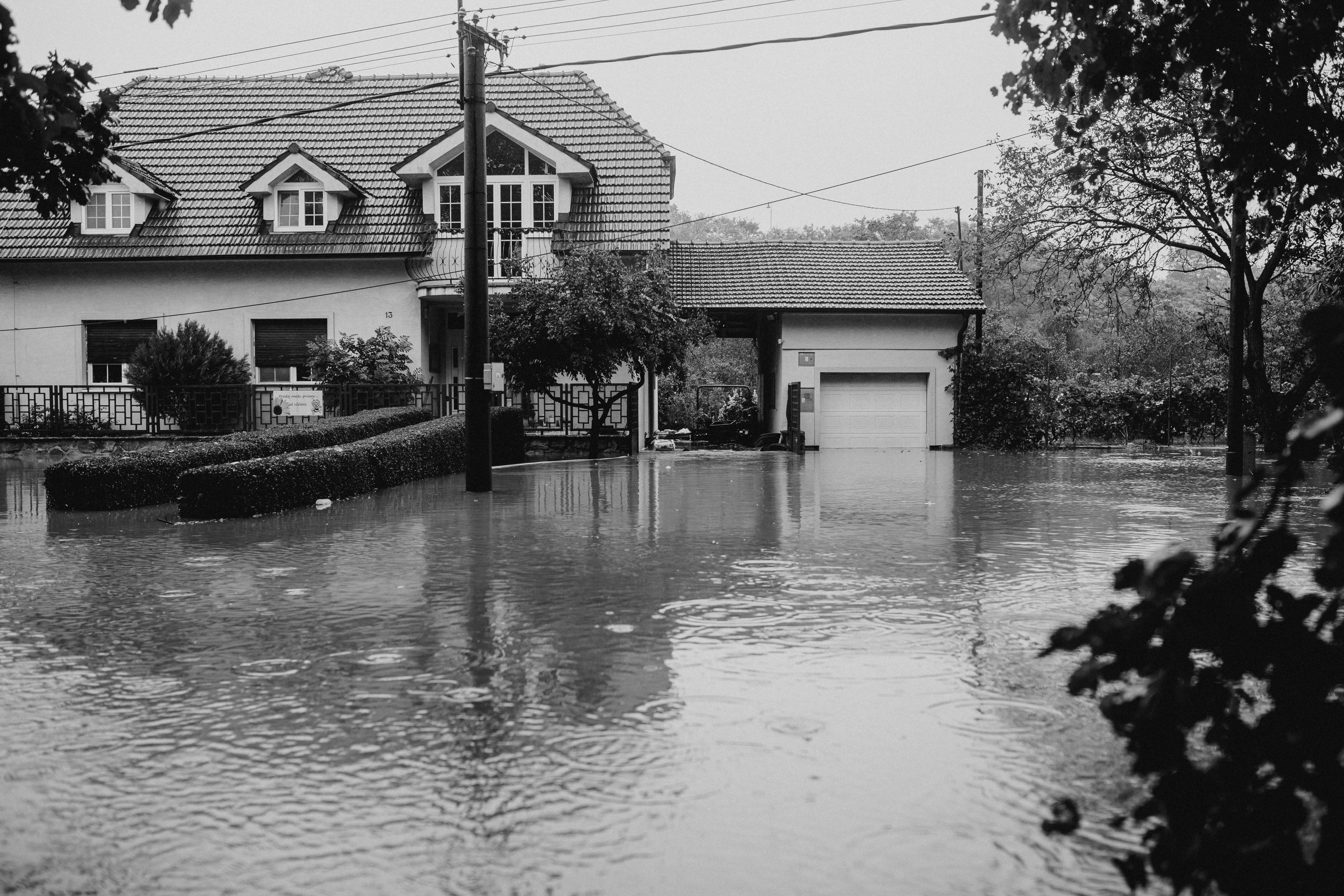
As 2026 unfolds, homeowners face unprecedented challenges: soaring premiums, stricter underwriting, and escalating climate risks. Discover how smart home technology, climate-resilient policies, and AI-driven comparisons can help you slash costs, enhance coverage, and secure your property amidst a rapidly changing insurance landscape. Compare top home insurance providers and get personalized quotes today!
Introduction to the Topic: Navigating 2026's Volatile Home Insurance Market
Welcome to 2026, where the ground beneath our homes, and our home insurance policies, feels more unstable than ever. The tranquil days of set-it-and-forget-it homeowners insurance are long gone. Today, homeowners are grappling with a perfect storm of challenges: the intensifying impacts of climate change, persistent inflation driving up rebuilding costs, and a tightening insurance market. From devastating wildfires in the West to unprecedented flooding in coastal and inland regions, and more frequent, severe storms across the globe, natural disasters are no longer 'unforeseen events' but predictable occurrences that are reshaping how insurers assess risk and price policies. Many homeowners are seeing their premiums skyrocket, while others in high-risk zones face non-renewal or struggle to find adequate coverage at all. But don't despair! This comprehensive guide from lifeassuredcoverage.com is designed to empower you with the knowledge and tools to navigate this complex landscape, secure the best possible coverage, and potentially save thousands. We'll explore the cutting-edge solutions, from smart home tech to innovative policy types, that are defining the future of home protection. Get ready to compare, strategize, and secure your peace of mind.
Backgrounds & Facts: The New Reality of Homeowner Risk in 2026
The statistics are stark. According to data from the National Association of Insurance Commissioners (NAIC), average home insurance premiums have surged by an estimated 18-25% nationwide between 2023 and 2026, with some high-risk states experiencing increases exceeding 40%. This isn't just about a few bad years; it's a systemic shift.
- Climate Catastrophes: The frequency and severity of natural disasters are the primary drivers. The 2025 hurricane season saw a record number of Category 4 and 5 storms making landfall, while the wildfire seasons of 2023-2025 decimated millions of acres, pushing insurers to re-evaluate their exposure. Flooding, once primarily a coastal concern, is now a growing threat in unexpected inland areas due to altered weather patterns and aging infrastructure.
- Inflation's Bite: The cost of rebuilding and repairing homes has escalated dramatically. Supply chain disruptions, labor shortages, and rising material costs (lumber, steel, specialized components for smart homes) mean that what cost $200,000 to rebuild five years ago might now cost $300,000 or more. This necessitates higher coverage limits, which in turn, means higher premiums.
- Underwriting Evolution: Insurers are no longer relying solely on historical data. Advanced AI and satellite imagery are now standard tools, allowing for hyper-granular risk assessment. They can analyze everything from your home's proximity to flood plains and wildfire zones, the specific materials used in its construction, roof age, and even local vegetation density. This precision means homeowners in perceived high-risk areas are paying significantly more, or finding coverage harder to obtain.
- The Protection Gap: A concerning trend is the widening 'protection gap' – the difference between the actual cost of damages and the amount covered by insurance. Many standard policies, especially older ones, may not adequately cover the full extent of rebuilding costs in today's inflated market, leaving homeowners vulnerable to significant out-of-pocket expenses.
Understanding these fundamental shifts is the first step toward smart home insurance planning. It's no longer just about protecting against theft or fire; it's about building resilience against a changing world.
Expert Opinion / Analysis: The Rise of Proactive Protection and Personalized Policies
At lifeassuredcoverage.com, we've consulted with leading experts in risk management and insurance innovation to bring you the most current insights for 2026.
“The era of passive home insurance is over,” states Dr. Anya Sharma, a senior actuary and climate risk specialist at Veridian Analytics. “In 2026, insurers aren't just reacting to claims; they're actively incentivizing risk mitigation. Homeowners who proactively protect their properties with smart technology and climate-resilient upgrades are not only safer but are increasingly being rewarded with lower premiums and access to better policies.”
This shift is largely driven by the explosive growth of IoT (Internet of Things) devices and AI-powered data analytics. Smart home technologies are moving beyond convenience to become critical risk management tools:
- Water Leak Detectors: Prevent catastrophic water damage from burst pipes or appliance failures, a leading cause of non-weather-related claims.
- Smart Fire Alarms & Extinguishers: Offer earlier detection and even automated suppression, reducing fire-related losses.
- Advanced Security Systems: Deter burglaries and provide real-time alerts, lowering theft risks.
- Weather-Resistant Upgrades: Reinforced roofs, impact-resistant windows, and smart vents for wildfire zones are becoming non-negotiable for some insurers.
“AI is revolutionizing underwriting,” adds Mark Thompson, Head of Innovation at InsureTech Global. “Instead of broad risk pools, we're seeing hyper-personalized policies. AI algorithms can analyze thousands of data points unique to your property – from its elevation to the type of trees surrounding it, even local crime rates – to create a risk profile that's incredibly precise. This means some homeowners will pay more, but many others, especially those who invest in mitigation, will find opportunities for significant savings and tailored coverage that truly meets their needs.”
The message is clear: in 2026, your engagement with risk mitigation and technology directly impacts your insurability and premium costs. It's time to be proactive.
💰 Best Options in Comparison: Secure Your Home & Savings in 2026
Navigating the home insurance market in 2026 requires a strategic approach. Forget one-size-fits-all policies. The key is to find coverage that matches your specific risk profile and leverages modern solutions. Here are the top options to consider, optimized for maximum coverage and potential savings:
- 1. Enhanced Climate-Resilient Policies (The Proactive Protector)
These policies are designed for homeowners in areas prone to specific natural disasters (e.g., wildfire, flood, hurricane). Leading insurers are now offering comprehensive packages that go beyond standard coverage, often including higher limits for specific perils, lower deductibles for certain climate-related claims, and sometimes even coverage for preventative measures (e.g., brush clearance, flood barrier installation). They often require a detailed home inspection and may offer incentives for certified disaster-resistant construction materials. This is crucial for peace of mind in high-risk zones. - 2. Smart Home Integrated Policies (The Tech-Savvy Saver)
For homeowners who have invested in advanced smart home technology, these policies offer significant premium discounts, sometimes up to 20-30%. Insurers are partnering with smart home device manufacturers to provide incentives for installing approved systems (water leak detectors, smart smoke/CO detectors, professional security systems, smart thermostats). Some policies even offer a 'claims-free' discount for homes that have actively used their smart systems to prevent potential losses. This is an excellent way to leverage your tech investments for real financial benefits. - 3. Parametric Insurance Solutions (The Targeted Supplement)
While not a replacement for traditional home insurance, parametric policies are gaining traction as a valuable supplement, especially for specific, high-risk events. Instead of covering actual damages, these policies pay out a pre-agreed sum if a specific trigger event occurs (e.g., a hurricane reaching a certain wind speed in your zip code, or rainfall exceeding a defined threshold). Payouts are often much faster, providing immediate funds for emergency repairs, temporary housing, or lost income, without lengthy claims assessments. They are particularly useful for covering deductibles or gaps in traditional coverage. - 4. AI-Driven Personalized Policies (The Tailored Deal Finder)
Many forward-thinking insurers are now using AI to create highly personalized policies. By analyzing vast amounts of data specific to your property and lifestyle, they can offer more accurate pricing and custom coverage options. This means you might get better rates if your home is well-maintained, has a new roof, or is in a lower-risk micro-zone, even if the broader area is considered high-risk. Utilizing comparison platforms like lifeassuredcoverage.com, which leverage AI to match you with these personalized options, is key to finding the best value.
To help you make an informed decision and get the best home insurance quotes, here's a comparison of these vital options:
| Feature/Option | Enhanced Climate-Resilient | Smart Home Integrated | Parametric Insurance | AI-Driven Personalized |
|---|---|---|---|---|
| Primary Benefit | Robust coverage for specific climate perils | Significant premium discounts for smart tech | Fast, pre-agreed payouts for specific events | Highly customized coverage & pricing |
| Ideal For | High-risk zones (fire, flood, hurricane) | Tech-savvy homeowners with smart devices | Supplementing traditional policies, quick cash needs | All homeowners seeking optimal value & fit |
| Premium Impact | Potentially higher base, but better value for risk | Significant reductions (10-30%) | Affordable as a supplemental policy | Potentially lowest rates based on individual risk |
| Technology/Requirements | Home inspections, specific construction/mitigation | Approved smart home devices (leak, fire, security) | No home tech; based on external data triggers | No specific tech, but benefits from property data |
| Claims Process | Standard damage assessment | Standard, potentially faster due to data | Automated, very fast (days vs. weeks/months) | Efficient, data-driven assessment |
| Considerations | May require specific upgrades; higher deductibles | Device compatibility; data privacy concerns | Does not cover actual damage, only trigger event | Requires accurate data; may exclude certain risks |
Ready to find your ideal policy and start saving? Don't settle for outdated coverage. Use our powerful comparison tool to compare home insurance rates from top providers, explore these innovative options, and get personalized home insurance quotes tailored to your 2026 needs. Click here to compare and save on home insurance today!
Outlook & Trends: The Future of Home Protection
Looking ahead, the home insurance landscape will continue its rapid evolution. By the end of the decade, expect even deeper integration of technology and data:
- Predictive Analytics 2.0: AI won't just assess current risk but will predict future vulnerabilities with greater accuracy, allowing for even more proactive mitigation strategies and highly dynamic pricing models.
- Community-Level Resilience: Insurers may increasingly partner with municipalities and homeowner associations to fund and incentivize community-wide resilience projects (e.g., seawalls, improved drainage, forest management), offering collective discounts.
- Modular & On-Demand Policies: The ability to 'build' your own policy by selecting specific coverages and add-ons will become standard, catering to diverse needs and budgets. On-demand insurance for specific items or short-term risks will also expand.
- Regulatory Scrutiny: As climate risks intensify, governments will likely introduce new regulations regarding climate risk disclosure for properties and mandate certain levels of resilience for new construction, impacting both homeowners and insurers.
- IoT-Mandated Discounts: For certain high-risk properties, installing specific smart home devices might become a prerequisite for obtaining coverage or accessing the best rates.
The future of home insurance is not just about protection; it's about prevention, personalization, and participation. Staying informed and proactive will be your greatest assets.
Conclusion: Your Path to Smarter, More Affordable Home Insurance in 2026
The 2026 home insurance market presents challenges, but also unparalleled opportunities for savvy homeowners. By understanding the forces at play – climate change, inflation, and technological advancements – you can move beyond simply paying your premium to actively managing your home's risk profile. Embrace smart home technology, explore innovative policy types like climate-resilient and parametric options, and leverage AI-driven comparison tools to find personalized, affordable coverage.
Don't wait for your next renewal notice to be shocked by rising rates. Take control of your home's protection today. Visit lifeassuredcoverage.com now to compare home insurance quotes from a wide range of top providers, discover policies that reward your proactive efforts, and secure the peace of mind you deserve. Get your free, no-obligation quotes and save money on home insurance – it's time to act!