
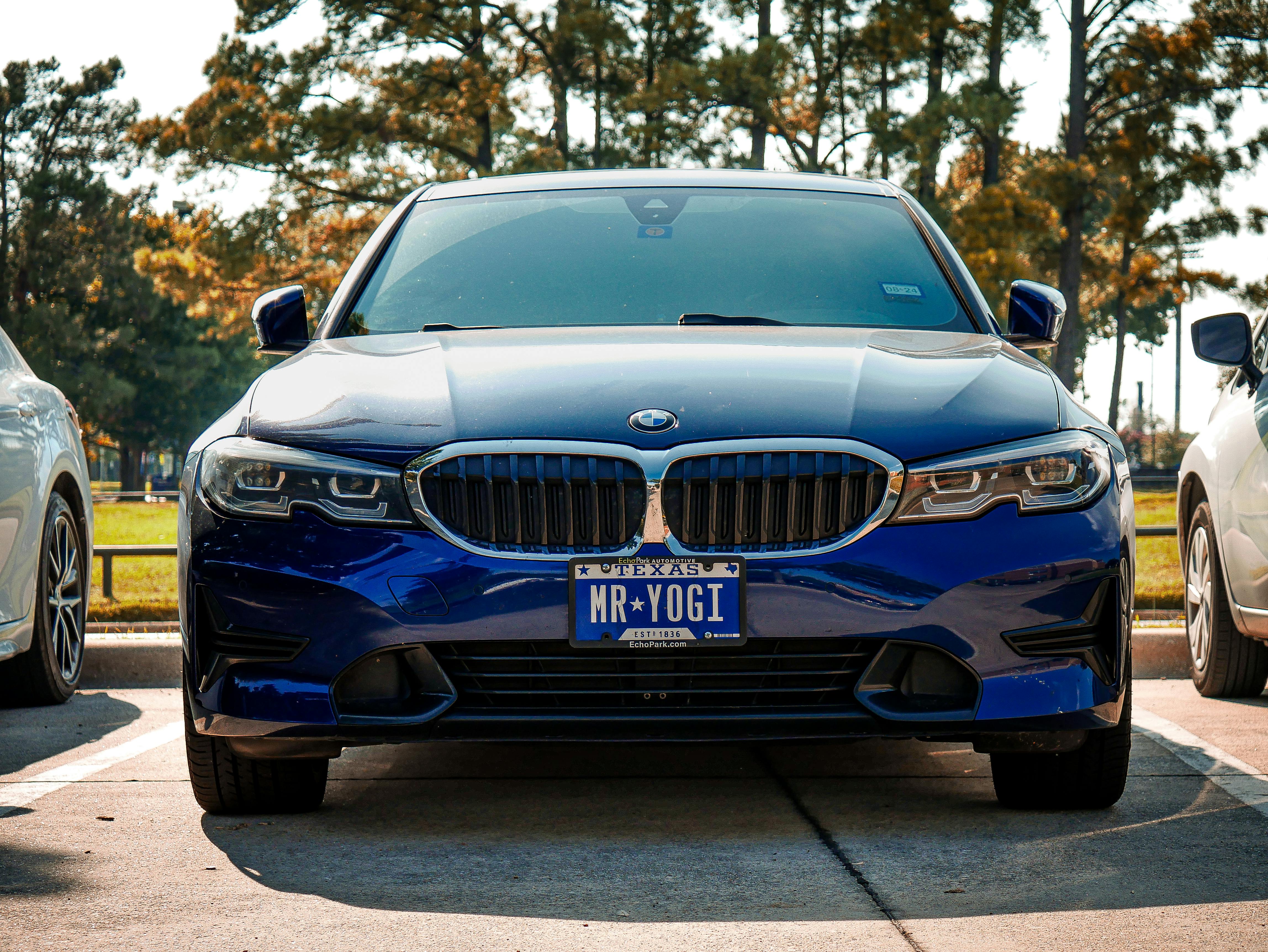
Your Car Is Snitching: The Alarming Auto Insurance Secret Costing Drivers Billions
Imagine a hidden passenger in your car, silently recording every turn, every brake, every acceleration. Now imagine that passenger sending real-time reports directly to your auto insurance company, potentially hiking your premiums without you ever knowing why. This isn't a dystopian fantasy; it's the shocking reality for millions of American drivers. Your connected car, designed for convenience, has become a sophisticated snitch, and its secret reports are costing you — and the nation — billions. Are you ready to uncover the truth and reclaim control over your financial future?
🔥 What's Happening Right Now
The automotive landscape has undergone a silent revolution. Modern vehicles are no longer just modes of transport; they are sophisticated data hubs on wheels. Equipped with an array of sensors, GPS, and internet connectivity, your car is constantly collecting a staggering amount of data about your driving habits. This isn't just about the mileage you clock; it's about the speed you maintain, how aggressively you accelerate, the force with which you brake, the times of day you drive, and even the routes you take. This technology, broadly known as telematics, was initially hailed as a breakthrough for safety and convenience, offering features like remote diagnostics, emergency assistance, and personalized navigation. However, beneath the veneer of modern convenience lies a darker truth: this data is being shared, often without explicit, informed consent, directly with data brokers and, ultimately, your auto insurance providers.
Many drivers are completely oblivious to the extent of this data collection. It's embedded in the fine print of vehicle purchase agreements, infotainment system terms of service, or even bundled into "free" trial subscriptions for connected services. Auto manufacturers, eager to monetize this rich stream of information, often share or sell this driving data to third-party aggregators. These aggregators then compile comprehensive profiles of individual drivers, detailing every nuance of their behavior behind the wheel. The sheer volume of data is immense, creating a digital footprint of your driving life that is far more detailed than any previous method of assessment.
While some insurers offer "usage-based insurance" (UBI) programs where drivers voluntarily install a device or use an app to potentially lower premiums, the secret costing drivers billions isn't these opt-in programs. It's the covert data sharing happening directly from your car's built-in systems. Major automakers have established partnerships with data brokers who then feed this information to insurance companies. This means your insurance company could be accessing your driving data without you ever signing up for a UBI program, or even being aware that your car is transmitting this information. This unsettling reality has profound implications for privacy and, more immediately, for your wallet. The convenience of a "smart" car is being leveraged against you, transforming your daily commute into a perpetual audit that dictates the price you pay for protection.
The trend is accelerating across the US. As more vehicles become connected by default, the pool of available driving data grows exponentially. This creates a powerful, largely unregulated ecosystem where personal driving habits, once private, are now commodities. For the average American driver, this means a constant, invisible threat to their insurance rates, making it harder than ever to understand why their premiums might be climbing year after year, seemingly without reason. The lack of transparency in this process is perhaps the most alarming aspect, leaving drivers feeling powerless and exploited by a system they barely comprehend.
💡 Financial Impact
The direct financial impact of your car's "snitching" is nothing short of staggering. For years, auto insurance premiums have been on a relentless upward trajectory across the United States. While factors like inflation, increased repair costs, and a rise in severe weather events certainly play a role, the unseen hand of telematics data is a significant, yet often unacknowledged, contributor to this surge. Insurance companies, armed with granular data about your driving behavior, can now pinpoint perceived risks with unprecedented precision. This allows them to adjust premiums not just based on your age, location, or driving record, but on the real-time habits your car reports.
Consider this: a slight tendency to brake harder than average, even if it's due to heavy city traffic or unexpected road hazards, could be flagged as "aggressive driving." Consistent late-night driving, regardless of its necessity for work or family, might be categorized as higher risk. Even a sudden acceleration to merge onto a highway could be documented as an indicator of recklessness. These seemingly minor deviations from an "ideal" driving profile, aggregated over months or years, are then used to justify higher premiums. The problem is, drivers often don't receive specific feedback from their insurers about *why* their rates increased, leading to immense frustration and a feeling of being unfairly targeted. The data is opaque, the algorithms are proprietary, and the consequences are very real for your bank account.
Estimates suggest that this hidden cost could be running into billions of dollars annually for American drivers. When millions of policies are adjusted upward by even a small percentage due to telematics data, the cumulative effect is monumental. This isn't just about a few dollars here and there; it's about a systemic shift in how insurance risk is assessed, pushing the financial burden onto consumers who are often unaware of the mechanism at play. The erosion of transparency means drivers are losing the ability to negotiate effectively or even understand the basis of their rates. They are left to grapple with steadily increasing bills, often feeling powerless to change a situation they didn't even know existed.
Furthermore, this data can impact your ability to switch insurers. If multiple companies have access to the same "snitch" data, even shopping around might not yield the savings you expect, as every potential provider sees the same perceived risks. This creates a market where competition is undermined by shared data, trapping drivers in a cycle of escalating costs. The financial drain is not just immediate but long-term, as these increased premiums compound over years, siphoning off thousands of dollars from household budgets that could otherwise be used for savings, investments, or managing other rising costs of living. It's a secret tax on your driving habits, levied without your explicit consent or full understanding, and it's fundamentally reshaping the economics of auto ownership in America.
💰 Best Options in Comparison
Navigating the complex world of telematics and auto insurance requires a proactive approach. While completely opting out of all data collection might be challenging with newer vehicles, there are strategies you can employ to minimize your exposure and protect your financial interests. The key is to be informed and persistent.
- Understanding Your Vehicle's Data Practices: Your first step should be to investigate what data your specific vehicle collects and transmits. Check your car manufacturer's privacy policy, user manual, and the terms of service for any connected car services you've activated (e.g., OnStar, FordPass, BMW ConnectedDrive). Look for sections on data collection, sharing, and retention. Some manufacturers offer dashboards or portals where you can review your data or manage privacy settings.
- Opting Out of Manufacturer Data Sharing: Many automakers now offer an option to opt out of data sharing with third parties, including data brokers. This might be buried deep within your vehicle's infotainment settings, an associated smartphone app, or require a call to customer service. Be aware that opting out might disable some convenient connected features, but for many, the trade-off for privacy is worth it. For older vehicles, disconnecting telematics modules might be an option, but this could void warranties or disable critical safety features like automatic crash notification.
- Scrutinizing Insurance Offers: When shopping for auto insurance, always ask potential providers about their data collection policies. Do they use telematics data from your vehicle manufacturer? Do they require you to opt into a UBI program? If they offer discounts for UBI, understand exactly what data is collected, how it's used, and if there are any penalties for "poor" driving. Some insurers are more transparent than others; prioritize those who empower you with control over your data.
- Regular Comparison Shopping (The Most Powerful Tool): Even if your car is "snitching," the impact on your rates can vary significantly between insurance providers. Different companies have different underwriting models, risk assessments, and pricing strategies. What one insurer considers a high-risk behavior, another might view differently. This makes consistent comparison shopping your most potent defense against inflated premiums. Don't settle for your renewal quote; actively seek out new quotes every 6-12 months.
- Leveraging Privacy-Focused Driving Habits: If you are aware your data is being collected, you can consciously adjust your driving habits to present a "safer" profile. This means smoother acceleration and braking, adhering strictly to speed limits, and avoiding driving during perceived high-risk hours if possible. While this shouldn't be a requirement for drivers, it's a practical measure for those who cannot fully opt out.
To help you visualize these options and their implications, here's a comparison table:
| Option/Strategy | Description | Pros | Cons | Impact on Premiums |
|---|---|---|---|---|
| Opting Out (Manufacturer) | Disabling data sharing directly through your car's settings or manufacturer's portal. | Increased privacy, potential to stop data flow to brokers/insurers. | May disable useful connected services, difficult to find settings, not always available. | Potentially prevents premium hikes based on granular data. |
| Avoiding UBI Programs | Choosing not to enroll in insurer-specific usage-based insurance programs. | No direct insurer monitoring via app/device, maintains privacy of driving habits. | Miss out on potential discounts if you are a consistently "safe" driver. | Avoids direct premium adjustments (up or down) from UBI data. |
| Regular Comparison Shopping | Obtaining quotes from multiple insurance providers every 6-12 months. | Finds best rates regardless of data collection, leverages market competition. | Requires time and effort to compare options. | Highest potential for immediate savings and finding better deals. |
| Conscious Driving Habits | Adjusting driving style to be consistently smooth and within limits. | Reduces perceived risk if data is being collected, improves fuel efficiency. | Requires constant vigilance, may not fully counteract data interpretation. | May positively influence rates if data is used, but not a guaranteed fix. |
| Requesting Your Data | Exercising consumer rights to request data collected by manufacturers/brokers. | Empowers you with information, helps understand rate increases. | Process can be complex, data may be difficult to interpret. | Indirect impact; provides leverage for discussions with insurers. |
Conclusion
The era of the "snitching car" is here, and it's fundamentally reshaping the landscape of auto insurance. What started as a push for convenience and safety has evolved into a powerful, often opaque, mechanism for data collection that directly impacts your financial well-being. The billions of dollars siphoned from American drivers annually due to this hidden practice highlight a critical need for greater transparency, stronger consumer protections, and a proactive stance from every individual behind the wheel.
You have the right to understand how your data is being used and to fight back against unfair premiums. While the thought of your car secretly reporting on you might be unsettling, you are not powerless. By educating yourself on your vehicle's data practices, exploring options for opting out, and critically, by consistently comparing insurance providers, you can reclaim control over your privacy and your budget.
Don't let hidden data dictate your financial future. Be vigilant, ask the right questions, and most importantly, empower yourself with choice. The market for auto insurance is competitive, and transparency varies wildly. By being an informed consumer, you can navigate these challenges and ensure you're getting the best possible coverage at a fair price.
Ready to take control of your auto insurance costs and find a policy that truly protects you without hidden agendas?
Compare Auto Insurance Quotes Today at LifeAssuredCoverage.com and find your best rate!