
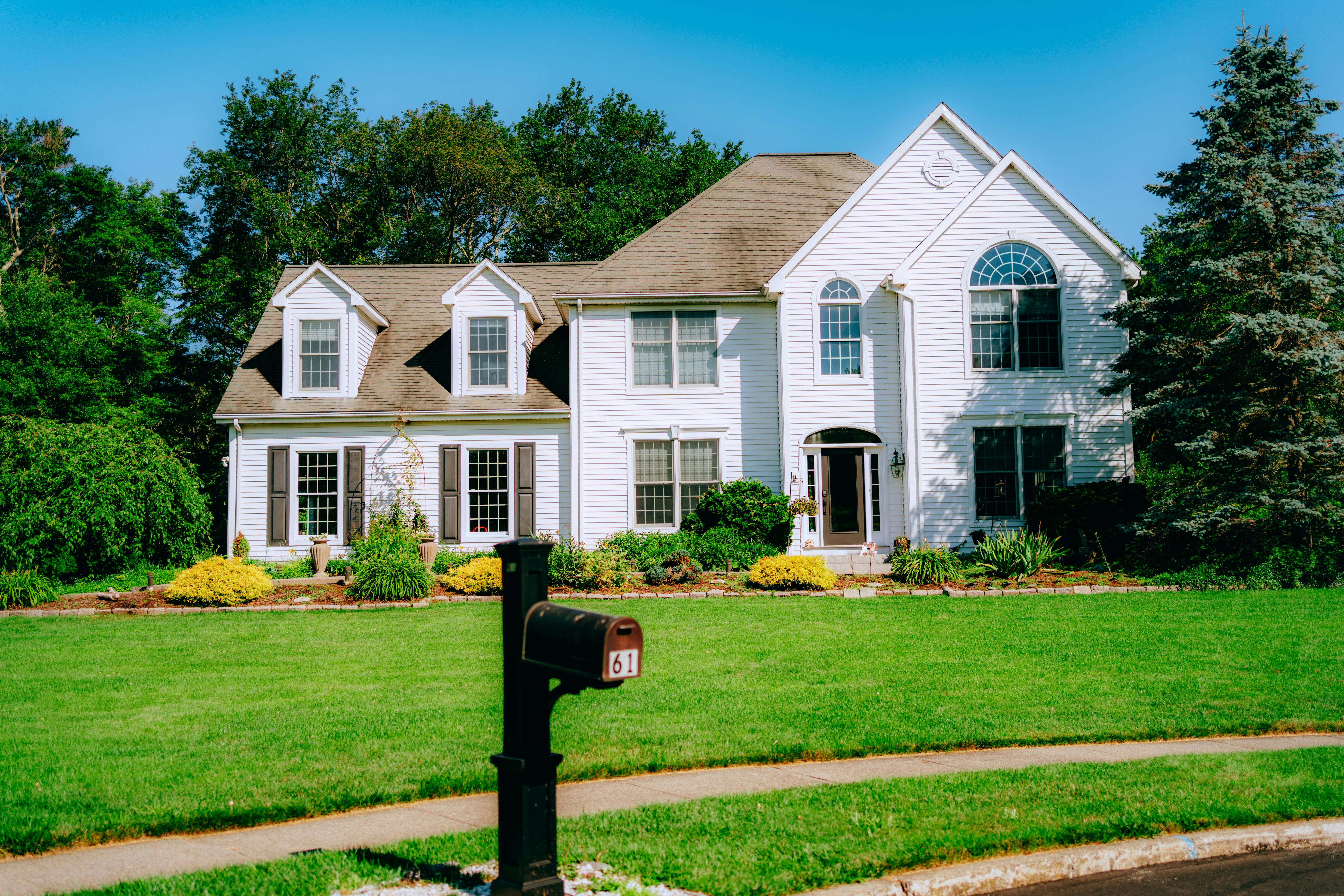
In 2026, home insurance is undergoing a radical transformation. Discover how AI-driven personalization and innovative parametric policies are offering homeowners unprecedented savings, faster claims, and smarter risk protection against climate challenges. Learn to compare home insurance quotes and find the best home insurance for your smart home, optimizing for affordability and comprehensive coverage.
Introduction to the Topic
The year is 2026, and the landscape of home insurance is barely recognizable from just a few years ago. Driven by rapid technological advancements, evolving climate risks, and a growing demand for personalized services, traditional home insurance models are giving way to intelligent, data-driven solutions. No longer is your home insurance a one-size-fits-all policy; it's a dynamic, responsive shield tailored precisely to your property's unique risk profile and your lifestyle. This isn't just about protecting your assets; it's about empowering you with smarter, more affordable, and incredibly efficient coverage. Welcome to the era of AI-powered personalization and parametric insurance – the future of home protection is here, and it's designed to save you money and deliver peace of mind like never before.
For homeowners, this evolution presents both opportunities and challenges. The opportunity lies in significantly reducing premiums, streamlining the claims process, and gaining proactive insights into property risks. The challenge is understanding these complex new offerings and navigating a marketplace increasingly saturated with innovative solutions. At lifeassuredcoverage.com, our goal is to cut through the jargon, providing you with the clarity needed to make informed decisions and secure the best home insurance for your needs in this exciting new era.
Backgrounds & Facts
The catalysts for this profound shift in home insurance are multifaceted:
1. Escalating Climate Risks: By 2026, the impact of climate change on property has become undeniable. Regions once considered low-risk are now prone to extreme weather events – from intensified wildfires in the West to more frequent and severe hurricanes along the coasts, and unprecedented flooding across inland areas. Insurers, facing mounting payouts, have been compelled to re-evaluate traditional underwriting models, often resulting in higher premiums or even withdrawal from certain markets. This pressure has accelerated the search for more precise risk assessment and mitigation strategies.
2. The Smart Home Revolution: The proliferation of smart home technology is no longer a luxury but a mainstream reality. From advanced leak detection systems and smart smoke detectors to AI-powered security cameras and automated water shut-off valves, these devices generate invaluable real-time data. Insurers are now leveraging this data to gain a granular understanding of individual property risks, moving beyond zip code-based assessments to highly personalized evaluations. Homes equipped with proactive smart tech are demonstrably safer, leading to significant home insurance discounts.
3. Advancements in AI and Big Data: The computational power and sophistication of Artificial Intelligence have reached a point where complex risk modeling, predictive analytics, and automated claims processing are not just feasible but highly efficient. AI algorithms can analyze vast datasets – including satellite imagery, weather patterns, local crime statistics, property maintenance records, and smart home sensor data – to create incredibly accurate risk profiles for individual properties. This enables insurers to offer hyper-personalized home insurance quotes and dynamic pricing.
4. Consumer Demand for Transparency and Efficiency: Modern consumers expect instant gratification, transparency, and tailored experiences. The lengthy, often opaque traditional claims process and generic policy structures no longer satisfy. Parametric insurance, with its clear triggers and rapid payouts, directly addresses this demand, while AI-driven platforms offer unparalleled transparency in premium calculation and coverage options.
According to recent industry reports, by 2026, over 60% of new home insurance policies incorporate some form of smart home data for underwriting, and parametric options have seen a 300% surge in adoption over the past two years, especially in high-risk zones. This isn't just a trend; it's the new standard for home protection.
Expert Opinion / Analysis
To understand the depth of this transformation, we spoke with Dr. Lena Sharma, a leading actuary and CEO of 'Quantify Risk Solutions,' a firm specializing in AI-driven insurance models.
"The biggest shift we're seeing," explains Dr. Sharma, "is the move from reactive to proactive insurance. Traditional models waited for damage to occur. Now, with AI and IoT, we can predict, prevent, and mitigate. Imagine your smart home system detecting a minor leak and shutting off the main water supply before it becomes a catastrophic flood. That data is fed back to your insurer, potentially reducing your premium because you've demonstrated a lower risk profile."
Dr. Sharma elaborates on the power of AI: "AI algorithms are far more adept at identifying subtle correlations in data that human underwriters might miss. They can assess everything from the specific fire-resistant materials used in your roof, to the grade of your property's drainage system, to real-time local weather forecasts. This means your home insurance quote is no longer an approximation; it's a precise reflection of your unique risk factors and mitigation efforts. This leads to fairer pricing for everyone, especially those who invest in making their homes safer."
Regarding parametric insurance, she notes, "Parametric policies are game-changers for specific, high-frequency events. For instance, if you live in a hurricane-prone area, a parametric add-on might pay out a pre-agreed sum the moment wind speeds in your exact location exceed a certain threshold, regardless of whether you've filed a claim for visible damage yet. The funds arrive quickly, allowing you to secure your property or cover immediate expenses without waiting for adjusters. It's about speed, certainty, and reducing the stress during a crisis."
However, Dr. Sharma also highlights challenges. "Data privacy is paramount. Insurers must be transparent about how data is collected and used, and robust cybersecurity measures are non-negotiable. Regulatory frameworks are also playing catch-up, which can sometimes slow innovation, but the benefits for consumers in terms of affordable home insurance and robust protection are too significant to ignore."
💰 Best Options in Comparison (VERY IMPORTANT)
Navigating the new home insurance landscape requires understanding the different approaches available. Here are the leading options homeowners are exploring in 2026 to secure comprehensive and affordable coverage:
- AI-Driven Personalized Policies: These policies represent the cutting edge of home insurance. They leverage sophisticated AI algorithms to analyze a vast array of data points – including your smart home device data (with your consent), property specifications, local environmental risks, and even your maintenance history – to create a hyper-personalized risk profile. This allows for dynamic pricing and coverage tailored precisely to your home, often resulting in significant premium savings for proactive homeowners.
- Parametric Insurance Add-ons: Designed to complement your primary home insurance, parametric policies offer rapid, pre-agreed payouts based on specific, measurable triggers rather than assessed damage. For example, a payout might be triggered if local rainfall exceeds a certain threshold, an earthquake reaches a specific magnitude, or hurricane wind speeds hit a defined level. This provides immediate liquidity after a catastrophic event, covering deductibles, temporary housing, or emergency repairs without a lengthy claims process.
- Traditional Policies with Enhanced Tech Integration: Many established insurers are adapting their standard HO-3 or HO-5 policies to integrate new technologies. While they retain the familiar structure, they offer substantial discounts and incentives for installing smart home security systems, leak detectors, and other protective devices. Some even provide complimentary installation or monitoring services. These policies offer a blend of comprehensive coverage with modern risk mitigation benefits, making them a solid choice for those seeking a familiar framework with updated advantages.
To help you compare home insurance options, here's a detailed breakdown:
| Feature | AI-Driven Personalized Policies | Parametric Insurance Add-ons | Traditional with Enhanced Tech |
|---|---|---|---|
| Risk Assessment Method | Hyper-personalized via AI, smart home data, predictive analytics. | Pre-defined, measurable environmental or event triggers (e.g., wind speed, rainfall). | Standard actuarial tables, property characteristics, with smart tech discounts. |
| Payout Speed | Fast for claims supported by real-time data; variable for complex claims. | Extremely fast (often within days) upon trigger verification. | Traditional claims process, can be lengthy depending on assessment. |
| Premium Flexibility | Highly flexible; dynamically adjusted based on risk mitigation efforts and data. | Generally stable for the specific risk covered, often an add-on cost. | Moderate flexibility; discounts for smart tech and bundles. |
| Coverage Scope | Comprehensive, highly tailored to individual property and lifestyle risks. | Specific perils only (e.g., flood, hurricane, earthquake); supplements primary policy. | Broad, traditional coverage (HO-3/HO-5 equivalent). |
| Data Requirement | Requires consent to share smart home data; highly beneficial to do so. | Minimal personal data; relies on publicly available trigger data. | Standard application data; smart home data is optional for discounts. |
| Ideal User | Tech-savvy homeowners seeking maximum savings and personalized protection. | Homeowners in high-risk zones needing fast, reliable payouts for specific events. | Those who prefer familiar coverage but want to leverage smart home tech for savings. |
When looking for the best home insurance, consider bundling options. Many providers offer discounts when you combine home and auto insurance, and these bundles often extend to include incentives for smart home integration. Always get multiple home insurance quotes and compare not just the price, but the specific coverages, deductible options, and the insurer's reputation for claims handling.
Outlook & Trends
The innovation in home insurance is far from over. Looking ahead to the rest of the decade, we anticipate several key trends:
1. Hyper-Personalization Beyond the Home: Expect AI-driven policies to incorporate even more lifestyle data (with strict privacy controls), like vacation frequency or remote work status, to dynamically adjust coverage and premiums. Your home insurance might become part of a larger, integrated personal risk management platform.
2. Micro-Insurance and On-Demand Coverage: The rise of highly granular, short-term policies for specific risks or assets. Need coverage for a backyard event? Hosting a short-term rental? Expect instant, pay-as-you-go options that can be activated via an app.
3. Blockchain for Transparency and Efficiency: Distributed Ledger Technology (DLT) like blockchain is poised to enhance transparency in claims processing, reduce fraud, and create immutable records of property conditions and policy terms. This could further streamline parametric payouts and dispute resolution.
4. Climate Resilience Incentives: Insurers will increasingly offer substantial premium reductions for homes that implement advanced climate-resilient upgrades. This includes not just smart tech, but also structural enhancements like elevated foundations in flood zones, fire-resistant landscaping, or impact-resistant windows. Expect partnerships between insurers and home improvement companies to facilitate these upgrades.
5. Proactive Maintenance & Prevention Services: Some policies may evolve to include or subsidize proactive maintenance services. Imagine your insurer recommending and partially funding a roof inspection or a drainage system upgrade based on predictive analytics, preventing future, larger claims.
These trends point towards a future where home insurance is less about paying for potential damage and more about a holistic partnership between homeowners and providers to actively manage and reduce risk.
Conclusion
The world of home insurance in 2026 is dynamic, intelligent, and more personalized than ever before. The days of generic policies and slow claims are fading, replaced by solutions that leverage AI, smart home technology, and innovative parametric models to offer superior protection and significant savings. For homeowners, this means a powerful opportunity to secure not just a policy, but a proactive partner in safeguarding their most valuable asset.
Don't let the complexity deter you. By understanding the core principles of AI-driven personalization and parametric insurance, you can make informed decisions that will future-proof your home against evolving risks and optimize your spending. Explore the best home insurance options, compare home insurance quotes from providers embracing these innovations, and ask about smart home discounts. Embrace the future of home protection – it's smarter, faster, and designed for your peace of mind and your wallet.