
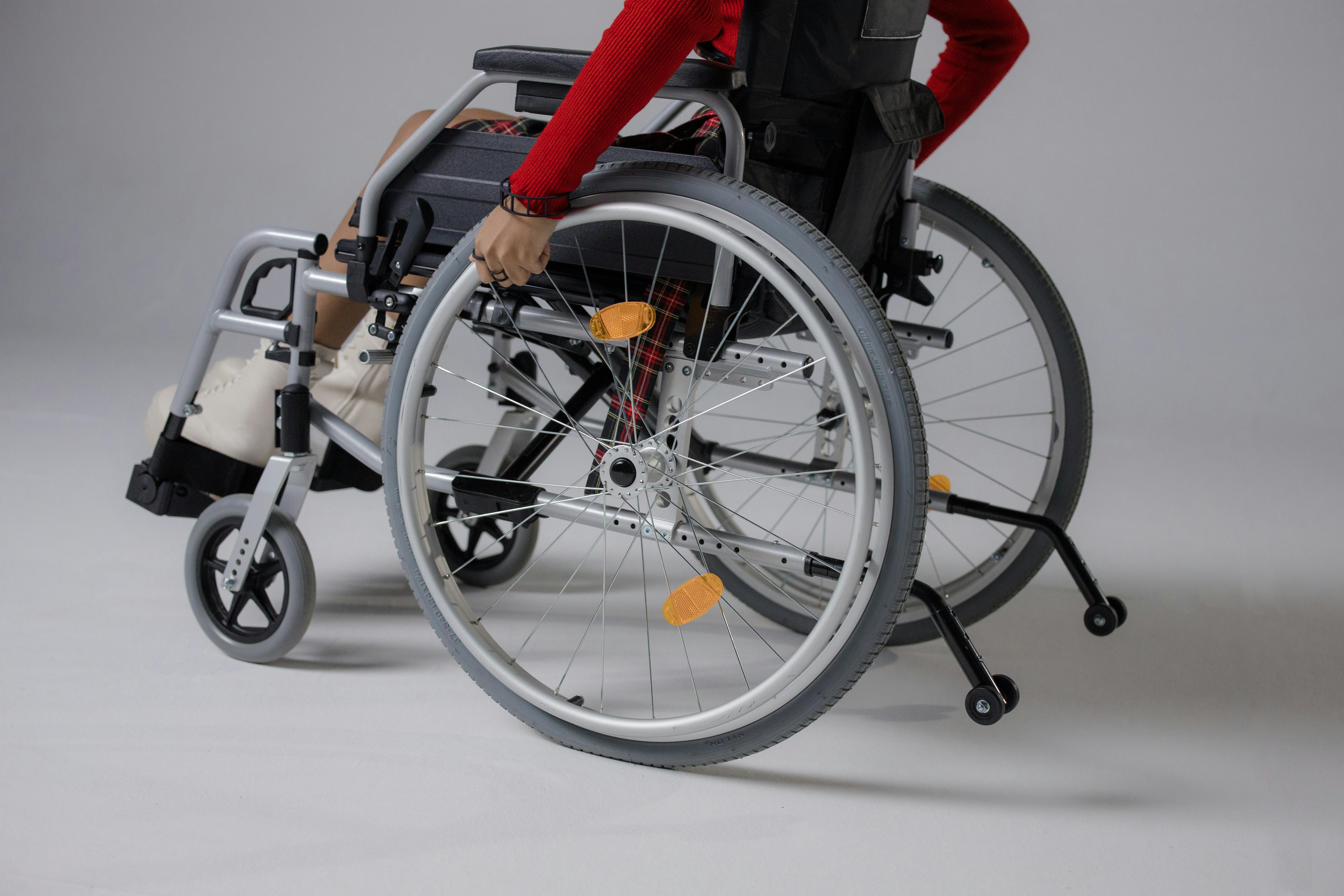
In 2026, securing your income against unforeseen illness or injury is more critical than ever. This comprehensive guide to disability insurance explores why traditional savings fall short, offers expert insights into navigating the evolving landscape of coverage, and compares the best disability insurance policies to protect your financial future. Discover essential tips for choosing the right income protection insurance, understanding disability insurance costs, and getting the most competitive disability insurance quotes today.
Introduction to the Topic
Welcome to 2026, where the pace of life accelerates, innovation reshapes industries, and financial landscapes shift with unprecedented speed. In this dynamic environment, one fundamental truth remains constant, yet often overlooked: your ability to earn an income is your most valuable asset. What happens if that asset is suddenly compromised by an illness or injury, leaving you unable to work for weeks, months, or even years? For millions, this isn't a hypothetical fear but a stark reality. This year, the conversation around personal financial resilience has intensified, bringing disability insurance to the forefront as an indispensable component of any robust financial plan.
Long gone are the days when disability insurance was considered a niche product. Today, with the rising costs of living, escalating medical expenses, and the often-insufficient safety nets of government programs, protecting your income stream from a disabling event is no longer a luxury – it's a necessity. Whether you're a seasoned professional, a burgeoning entrepreneur, or part of the growing gig economy, a sudden loss of income can derail your financial goals, deplete savings, and create immense stress. This article, penned specifically for the discerning reader of lifeassuredcoverage.com, will cut through the jargon, provide actionable insights, and empower you to make informed decisions about securing your financial future with the best disability insurance options available in 2026.
Backgrounds & Facts
The statistics are sobering, yet frequently ignored: a significant portion of the working population will experience a long-term disability at some point in their careers. According to recent actuarial data updated for 2026, nearly one in four working adults will be unable to work for 90 days or more due to a disabling condition before retirement. This isn't just about catastrophic accidents; the vast majority of disabilities stem from common illnesses like cancer, heart disease, diabetes, and musculoskeletal disorders – conditions that can strike anyone, regardless of age or profession.
Many mistakenly believe that government programs like Social Security Disability Insurance (SSDI) will provide adequate support. While SSDI offers a crucial safety net, it's designed for severe, long-term disabilities and comes with stringent eligibility requirements, a lengthy waiting period (often five months), and benefits that typically replace only a fraction of your pre-disability income. For instance, the average monthly SSDI benefit in early 2026 hovers around $1,650 – hardly enough to cover the mortgage, bills, and daily living expenses for most households. Employer-provided group disability insurance can offer better coverage but often has limitations, such as 'any-occupation' definitions of disability after an initial period, which can significantly restrict benefits if you can perform any job, not just your own specialized profession.
The financial impact of a disability is profound. Studies show that a prolonged inability to work can quickly exhaust savings, force asset sales, and lead to significant debt. Without a dedicated income protection plan, families face not only the emotional strain of illness or injury but also the crushing burden of financial insecurity. This is why understanding and investing in robust income protection insurance is paramount in 2026 – it's about safeguarding your lifestyle, your family's well-being, and your hard-earned financial independence.
Expert Opinion / Analysis
“The landscape of work has fundamentally shifted, and with it, the necessity for personalized disability insurance has skyrocketed,” states Dr. Anya Sharma, a leading financial risk analyst and author of 'Future-Proofing Your Income.' “In 2026, we're seeing more freelancers, entrepreneurs, and remote workers who often lack traditional employer-sponsored benefits. For these individuals, individual disability insurance is not just recommended; it’s non-negotiable.”
Dr. Sharma emphasizes several key trends influencing disability insurance choices today:
- The Rise of Mental Health Claims: There's increased recognition and acceptance of mental health conditions as legitimate causes of disability. Policies are evolving to provide better coverage for conditions like severe depression, anxiety disorders, and burnout, which are increasingly impacting workforce participation.
- Flexible Policy Designs: Insurers are offering more customizable policies to cater to diverse professional needs. This includes features like future purchase options to increase coverage as income grows, cost-of-living adjustment (COLA) riders to combat inflation, and partial disability benefits for those who can work reduced hours.
- Underwriting Innovation: AI and data analytics are streamlining the underwriting process, potentially leading to faster approvals and more personalized pricing. However, transparency remains key, and applicants should still be prepared to provide comprehensive medical and financial histories.
- Own-Occupation vs. Any-Occupation: This remains the most critical distinction. “For professionals with specialized skills, an 'own-occupation' definition is paramount,” advises Dr. Sharma. “It means you’re considered disabled if you can’t perform the duties of your specific job, even if you could perform another job. An 'any-occupation' policy, while cheaper, only pays if you can’t perform any job for which you are reasonably suited by education, training, or experience – a much higher bar.”
Navigating these complexities requires careful consideration. “Don't just look at the premium,” Dr. Sharma warns. “A cheaper policy with an 'any-occupation' clause might offer false security. Focus on the definition of disability, the benefit period, elimination period, and critical riders that align with your personal and professional circumstances.”
💰 Best Options in Comparison (VERY IMPORTANT)
Choosing the 'best' disability insurance isn't about finding a one-size-fits-all solution; it's about selecting the policy that best fits your unique financial situation, occupation, and risk tolerance. Here are the key types and features to consider when comparing disability insurance policies in 2026:
- Individual Long-Term Disability (LTD) Insurance: This is often considered the gold standard. Purchased directly from an insurer, it offers the most robust and customizable coverage. Key advantages include portability (it moves with you if you change jobs), non-cancelable/guaranteed renewable features, and typically a strong 'own-occupation' definition of disability for an extended period. It’s ideal for professionals, high-income earners, and self-employed individuals.
- Group Long-Term Disability (LTD) Insurance: Often provided by employers, these policies are usually more affordable (or free) and don't require medical underwriting. However, they are less flexible, tied to your employment, and often come with an 'any-occupation' definition of disability after a certain period (e.g., 2 years). They're a good baseline, but often need to be supplemented.
- Short-Term Disability (STD) Insurance: Covers short periods of inability to work (typically 3-6 months). Many employers offer this, or it can be purchased individually. It bridges the gap before LTD benefits kick in. Essential for covering immediate expenses during recovery from acute illnesses or injuries.
- Disability Riders on Life Insurance: Some life insurance policies offer disability income riders. While convenient, these are usually less comprehensive and flexible than standalone disability policies. They can be a supplemental layer but rarely a primary solution.
To help you make an informed decision, here's a comparison of critical policy features to evaluate when you compare disability insurance options:
| Feature | Individual LTD Policy (Premium Choice) | Group LTD Policy (Employer-Sponsored) |
|---|---|---|
| Definition of Disability | Typically 'Own-Occupation' (best for specialized professionals). | Often 'Own-Occupation' for 1-2 years, then 'Any-Occupation'. |
| Benefit Period | Long-term (e.g., 2 years, 5 years, to age 65/67). | Typically to age 65/67. |
| Elimination Period (Waiting Period) | Customizable (e.g., 30, 60, 90, 180 days). Shorter periods increase cost. | Standard (e.g., 90 days), less flexible. |
| Benefit Amount (Income Replacement) | Up to 60-80% of gross income (tax-free if premiums paid with after-tax dollars). | Often 60% of base salary (taxable if employer pays premiums). |
| Portability | Fully portable; stays with you regardless of employment. | Not portable; tied to employer. |
| Riders & Customization | Extensive options: COLA, Future Increase Option, Partial Disability, Student Loan Protection. | Limited customization. |
| Underwriting | Full medical and financial underwriting required. | Often simplified or guaranteed issue for employees. |
| Cost (Premiums) | Higher (paid by individual), but tax advantages if paid with after-tax dollars. | Lower (often subsidized by employer). |
When seeking disability insurance quotes, remember that disability insurance costs are influenced by your age, health, occupation, income, and chosen policy features. It's highly recommended to work with an independent insurance advisor who can compare policies from multiple top-rated carriers to find the best fit for your unique needs and budget. Don't hesitate to ask about specific riders like the Cost of Living Adjustment (COLA) rider, which ensures your benefits keep pace with inflation, a crucial consideration in 2026's economic climate.
Outlook & Trends
Looking ahead, the disability insurance industry in 2026 is poised for further evolution. We anticipate a greater emphasis on proactive wellness programs integrated with insurance offerings, rewarding policyholders for healthy living. Telemedicine and AI-driven diagnostics will likely play an even larger role in claims assessment, potentially speeding up processing times and improving accuracy. Furthermore, as the gig economy continues to expand, specialized income protection insurance products tailored for independent contractors and freelancers will become more prevalent, addressing their unique income volatility and benefit needs.
There's also a growing movement towards 'financial wellness' benefits, where disability insurance is presented not just as a safety net, but as an integral part of a holistic financial plan that includes retirement savings, emergency funds, and estate planning. Insurers are exploring innovative ways to bundle or integrate these offerings, making it easier for consumers to manage their overall financial health. For consumers, this means more personalized, adaptable, and potentially more affordable options are on the horizon, making it an opportune time to reassess your coverage.
Conclusion
In a world where certainty is a luxury, protecting your income with disability insurance is a fundamental act of financial prudence. The risks of illness or injury are real, and the financial fallout can be devastating without adequate preparation. In 2026, relying solely on government aid or employer-provided plans is often insufficient to maintain your lifestyle and achieve your long-term financial goals.
By understanding the different types of policies, the critical features to look for, and the importance of a personalized approach, you can secure robust income protection insurance that acts as your financial fortress. Don't leave your most valuable asset – your ability to earn – to chance. Take control of your financial future today.
Ready to explore your options? We strongly encourage you to get personalized disability insurance quotes from top providers and consult with a qualified independent insurance advisor. They can help you navigate the complexities, compare the best policies tailored to your profession and income, and ensure you have the comprehensive coverage you deserve. Protect your income, secure your future – starting now.