
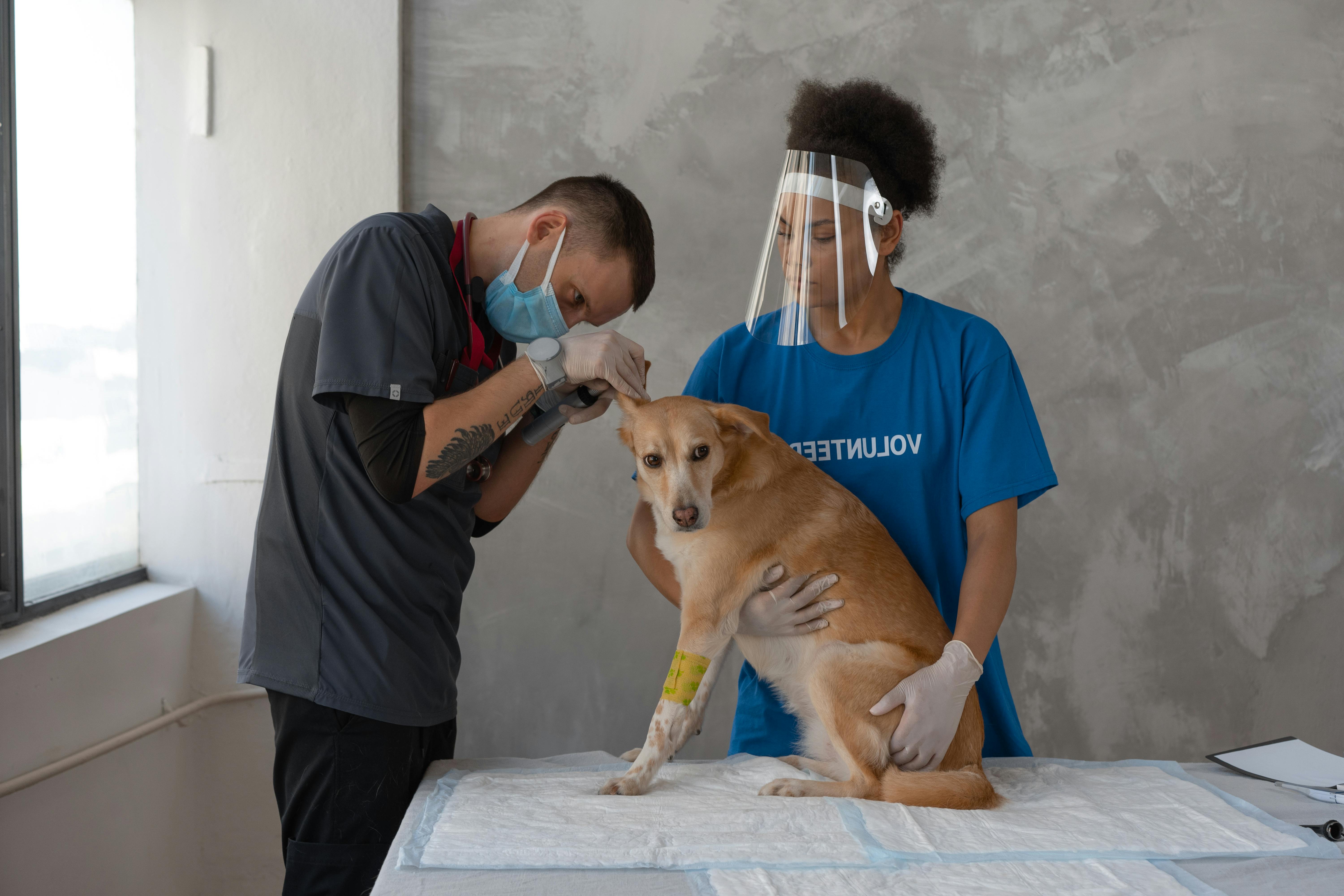
As veterinary costs continue their upward climb in 2026, pet insurance has become an indispensable shield for pet parents. This comprehensive guide uncovers the latest trends, essential facts, and expert advice to help you compare the best pet insurance plans, understand coverage options like accident and illness policies, and secure affordable protection for your furry family member. Discover how to get a pet insurance quote, navigate deductibles and reimbursement rates, and find the perfect plan to safeguard your pet's health and your financial peace of mind.
Introduction to the Topic
In 2026, our pets aren't just animals; they are cherished members of our families, bringing immeasurable joy, comfort, and companionship into our lives. With this profound bond comes a profound responsibility – ensuring their health and well-being. However, the love we have for our furry, feathered, or scaled companions often comes with a significant financial commitment, especially when unexpected illnesses or accidents strike. Veterinary medicine has advanced remarkably, offering sophisticated treatments for a wide array of conditions, but these innovations often come with a hefty price tag. A single emergency visit, a complex surgery, or ongoing treatment for a chronic condition can quickly lead to veterinary bills soaring into the thousands, creating immense financial stress and forcing heartbreaking decisions for pet owners.
This is where pet insurance steps in, transforming from a luxury to an essential component of responsible pet ownership. Far from being a niche product, pet insurance has exploded in popularity, offering a vital financial safety net against the unpredictable nature of pet health. For the discerning pet parent navigating the complexities of 2026's healthcare landscape, understanding pet insurance is no longer optional. It's about securing peace of mind, ensuring your beloved companion receives the best possible care without compromising your financial stability. This comprehensive guide from lifeassuredcoverage.com will arm you with the knowledge to make informed decisions, compare the leading options, and ultimately choose the best pet insurance plan tailored to your needs and your pet's unique life.
Backgrounds & Facts
The landscape of pet ownership and veterinary care in 2026 presents a compelling case for pet insurance. According to recent projections, global pet ownership continues to rise, with an estimated 85 million households in the U.S. alone owning a pet. This burgeoning pet population, coupled with ever-advancing veterinary technology, has driven a significant increase in the cost of pet healthcare. A broken bone can easily cost $2,000-$5,000, cancer treatments can range from $5,000-$20,000, and even common ailments like ear infections or allergies can accumulate hundreds to thousands over a pet's lifetime. Emergency veterinary care, often required outside regular hours, frequently incurs a premium, with initial consultations alone sometimes exceeding $200 before any treatment even begins.
The pet insurance market, in response, has seen unprecedented growth, projected to reach over $20 billion globally by 2028. This growth is fueled by a greater awareness among pet owners about the financial risks associated with pet care and a desire to avoid economic euthanasia – the difficult decision to put a pet down due to an inability to afford treatment. Many still harbor misconceptions, believing pet insurance is too expensive or only for older pets. However, policies are available for pets of all ages, with premiums often lower when pets are enrolled at a younger age.
Understanding the fundamental types of pet insurance is crucial:
- Accident-Only Plans: These are typically the most affordable, covering injuries from accidents like broken bones, ingestions of foreign objects, or bite wounds. They do not cover illnesses.
- Accident & Illness Plans: The most popular and comprehensive option, covering both accidents and a wide range of illnesses, including infections, cancer, diabetes, arthritis, and hereditary conditions. This is often what people refer to as 'full coverage pet insurance'.
- Wellness Plans (Add-ons): Not insurance in themselves, these plans are typically add-ons or separate packages that cover routine preventative care like annual exams, vaccinations, flea/tick prevention, and dental cleanings.
Expert Opinion / Analysis
“In 2026, pet insurance isn't just about financial protection; it's about making proactive health decisions for your pet without the burden of cost anxiety,” states Dr. Elara Vance, a renowned veterinary economist and advocate for accessible pet healthcare. “We're seeing a significant shift from reactive care – only visiting the vet when something is gravely wrong – to a more preventative and holistic approach. Pet insurance, especially comprehensive accident and illness plans with wellness add-ons, empowers owners to pursue diagnostics and treatments earlier, often leading to better outcomes for their pets and ultimately reducing long-term costs.”
Dr. Vance emphasizes that the value of pet insurance extends beyond just covering emergency vet bills. “Consider the rise of specialized veterinary medicine – oncology, cardiology, neurology. These fields offer life-saving treatments, but they are expensive. A robust pet insurance policy ensures that your pet has access to these cutting-edge therapies, rather than being limited by your immediate financial capacity. Moreover, the peace of mind it offers is invaluable. Knowing that you can say 'yes' to the best possible care, rather than 'how much will that cost?', transforms the entire pet ownership experience.”
Analysis of 2026 trends reveals several key points. Personalized pet insurance plans are gaining traction, leveraging data analytics to offer customized coverage based on a pet's breed, age, lifestyle, and even genetic predispositions. Telehealth for pets has also become a standard offering, with many insurers now covering virtual vet consultations, improving accessibility and often reducing the need for costly in-person visits for minor issues. Furthermore, the integration of smart pet wearables, which monitor vital signs and activity, is beginning to influence premium calculations, rewarding owners who proactively manage their pet's health. When choosing a policy, Dr. Vance advises, “Always scrutinize the fine print regarding pre-existing conditions, hereditary conditions specific to your pet’s breed, and look for providers with strong customer service records and transparent claims processes. Don't just focus on the lowest premium; consider the reimbursement rate, annual limits, and deductible options that best fit your budget and risk tolerance. Getting multiple pet insurance quotes is always a wise first step.”
💰 Best Options in Comparison (VERY IMPORTANT)
Choosing the best pet insurance plan in 2026 requires careful consideration of your pet's needs, your budget, and the level of coverage you desire. To help you navigate the market, we've identified three leading types of providers that cater to different priorities. Remember, prices can vary significantly based on your pet's breed, age, location, and the specific plan options you select. We highly recommend getting personalized pet insurance quotes from multiple providers to find the perfect fit.
-
The Comprehensive Care Champion
This type of provider is ideal for pet parents seeking extensive coverage for almost any scenario. They typically offer highly customizable Accident & Illness plans with high reimbursement rates (e.g., 80-100%) and flexible annual limits, often including unlimited options. They frequently cover alternative therapies (acupuncture, chiropractic), behavioral therapy, prescription foods, and even some dental illnesses. While premiums might be higher, they offer unparalleled peace of mind for those who want to ensure their pet has access to every possible treatment without worrying about cost.
-
The Budget-Smart Protector
Perfect for owners who need solid financial protection against major unexpected events without breaking the bank. These providers often excel in offering competitive Accident & Illness plans with more modest premiums, achieved through slightly lower reimbursement rates (e.g., 70-80%) or higher deductibles. They might have slightly fewer bells and whistles in terms of alternative therapies or prescription food coverage, but they reliably cover major accidents, illnesses, surgeries, and diagnostics. They are an excellent entry point for first-time pet insurance buyers or those on a tighter budget.
-
The Wellness-Focused Innovator
This category of provider stands out for its emphasis on preventive care and modern pet health management. Beyond robust Accident & Illness coverage, they offer exceptional wellness plan add-ons that cover routine exams, vaccinations, parasite prevention, and even microchipping. Many integrate telehealth services, offer discounts on pet products, and some even provide incentives for proactive health monitoring via wearables. They are best for owners who prioritize keeping their pets healthy through regular check-ups and want to budget for routine care alongside emergency protection.
To give you a clearer picture, here’s a comparison table summarizing key features:
| Provider Type | Coverage Focus | Deductible Range | Reimbursement Rate | Annual Limit Options | Key Benefits | Best For |
|---|---|---|---|---|---|---|
| Comprehensive Care Champion | Accident & Illness (Extensive) | $0 - $1,000+ | 80% - 100% | $10,000 - Unlimited | Alternative therapies, behavioral, dental illness, high customizability | Pet parents wanting maximum coverage & flexibility, no financial limits on care |
| Budget-Smart Protector | Accident & Illness (Core) | $250 - $1,500+ | 70% - 80% | $5,000 - $15,000 | Reliable coverage for major emergencies & illnesses, competitive pricing | First-time buyers, budget-conscious owners, essential coverage needs |
| Wellness-Focused Innovator | Accident & Illness + Wellness | $100 - $1,000 | 70% - 90% | $8,000 - Unlimited | Strong wellness add-ons, telehealth, smart tech integration, preventative focus | Owners prioritizing routine care, tech-savvy, proactive health management |
Ready to protect your pet and your wallet? Don't leave your pet's health to chance. Click here to compare personalized pet insurance quotes today and find the best plan for your furry friend!
Outlook & Trends
The future of pet insurance in 2026 and beyond promises even greater innovation and integration into mainstream financial planning. We anticipate a continued surge in AI-driven personalized plans, where algorithms analyze a pet's genetic profile, breed-specific risks, and even lifestyle data from smart collars to offer hyper-tailored policies. This could lead to more accurate pricing and even proactive health recommendations, potentially lowering risks and premiums for responsible owners.
Another significant trend is the expansion of covered services. Expect to see more policies incorporating advanced therapies like stem cell treatment, gene therapy, and even mental health support for pets, reflecting a deeper understanding of animal welfare. Furthermore, the demand for exotic pet insurance is on the rise, moving beyond just dogs and cats to cover birds, reptiles, and even mini-pigs, as these animals become more popular companions. We also foresee greater integration of pet insurance benefits with broader human employee benefits packages, making it easier for companies to offer pet protection as a perk, reflecting the growing importance of pets in our lives.
However, challenges remain. Inflationary pressures on veterinary costs are likely to continue, potentially leading to gradual increases in pet insurance premiums. Regulatory frameworks may also evolve to ensure transparency and fairness in policy terms, especially concerning pre-existing conditions and claims processing. Overall, the outlook is one of growth, sophistication, and an ever-stronger commitment to ensuring our pets receive the best care possible, supported by robust and accessible insurance solutions.
Conclusion
In 2026, the question is no longer whether you need pet insurance, but which pet insurance is right for you and your beloved companion. The rising costs of veterinary care, coupled with the emotional and financial stress of unexpected emergencies, make a compelling case for securing a comprehensive pet insurance policy. It's an investment in your pet's health, your peace of mind, and your financial security, ensuring that you can always prioritize their well-being without facing agonizing choices due to cost.
By understanding the different types of coverage, comparing deductibles and reimbursement rates, and considering your pet's unique needs, you can navigate the market with confidence. Don't wait until a crisis strikes; proactive planning is the hallmark of a responsible pet parent. Explore the diverse options available, leverage expert insights, and take the crucial step towards safeguarding your pet's future. Protect your furry family member and your wallet today. Get a free, no-obligation pet insurance quote now and discover the perfect plan to give your cherished companion the long, healthy life they deserve.